All Categories
Featured
Transforming Cloud Infrastructure for the Digital Era
Table of Contents
For smaller organizations, "Robotics-as-a-Service" (RaaS) designs have made this innovation available without enormous in advance capital., these devices do not just move boxesthey anticipate maintenance needs and enhance paths in real-time.
International cloud costs has hit a massive $1.3 trillion, however the trend isn't simply "all-in" on public cloud. For big companies, infrastructure speed is a direct ranking element.
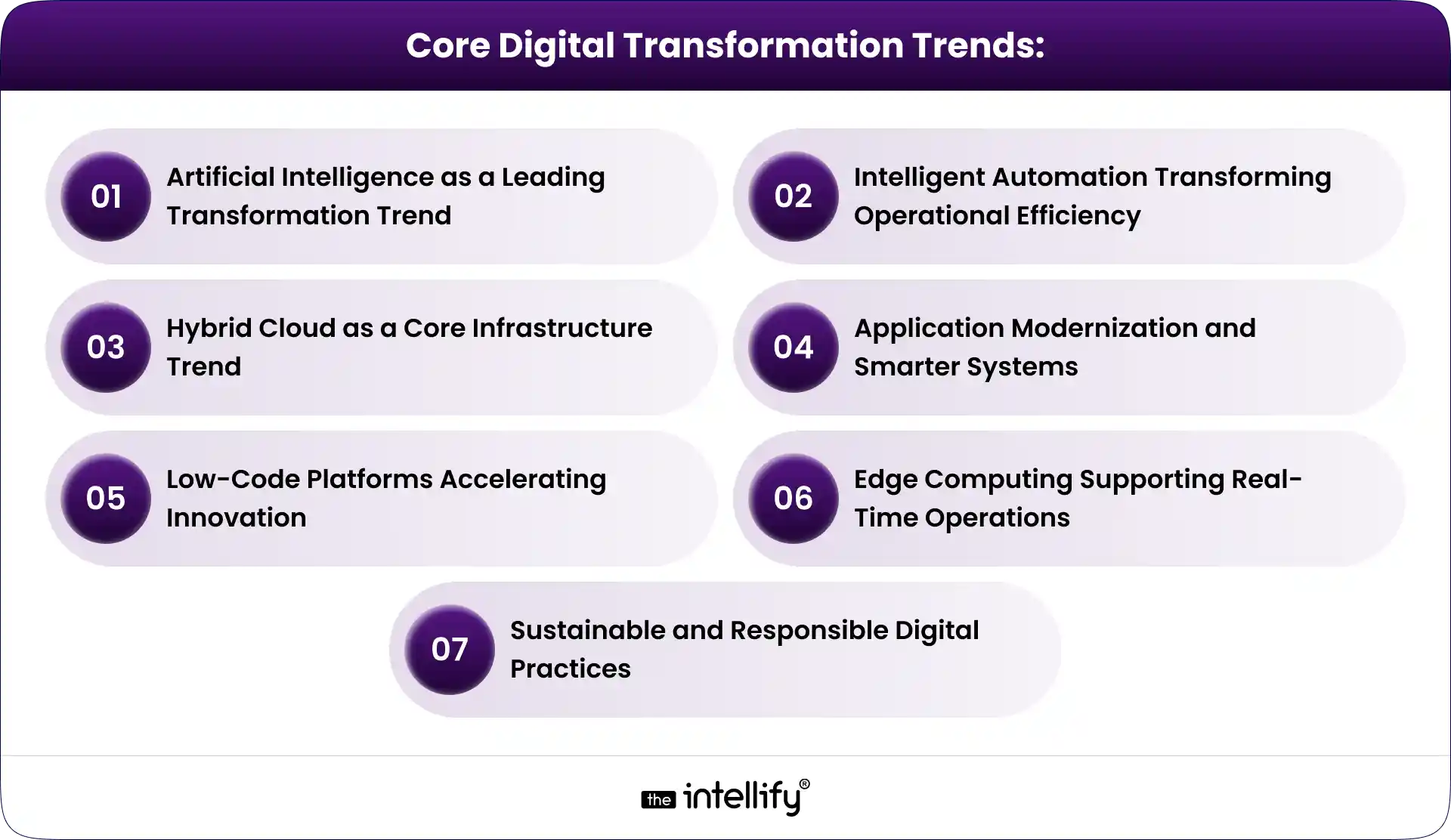
HCI integrates compute, storage, and networking into a single software-defined platform. This allows businesses to have the dexterity of the cloud with the security and "immediacy" of on-premises hardware. On the other hand, is resolving the latency problem. By processing information at the sourceon the factory floor or inside a smart vehiclebusinesses can act on technology patterns for business without waiting on data to travel to a far-off information center and back.
Optimizing Business ROI Through Cloud Modernization
This shift is particularly evident in how large business manage their digital presence. SEO is no longer a siloed marketing function; it is a core component of the business innovation stack, needing deep integration with information science and infrastructure teams.
Is Your Organization Prepared for 2026?Unlike smaller sized websites, enterprise sites often handle millions of URLs, complex internationalization, and legacy subdomains. To carry out well, these companies need to concentrate on three vital pillars: Programmatic SEO, Technical Crawl Efficiency, and E-E-A-T (Experience, Expertise, Authoritativeness, and Dependability) at scale. includes utilizing data-driven design templates to create premium, useful pages for countless long-tail search questions.
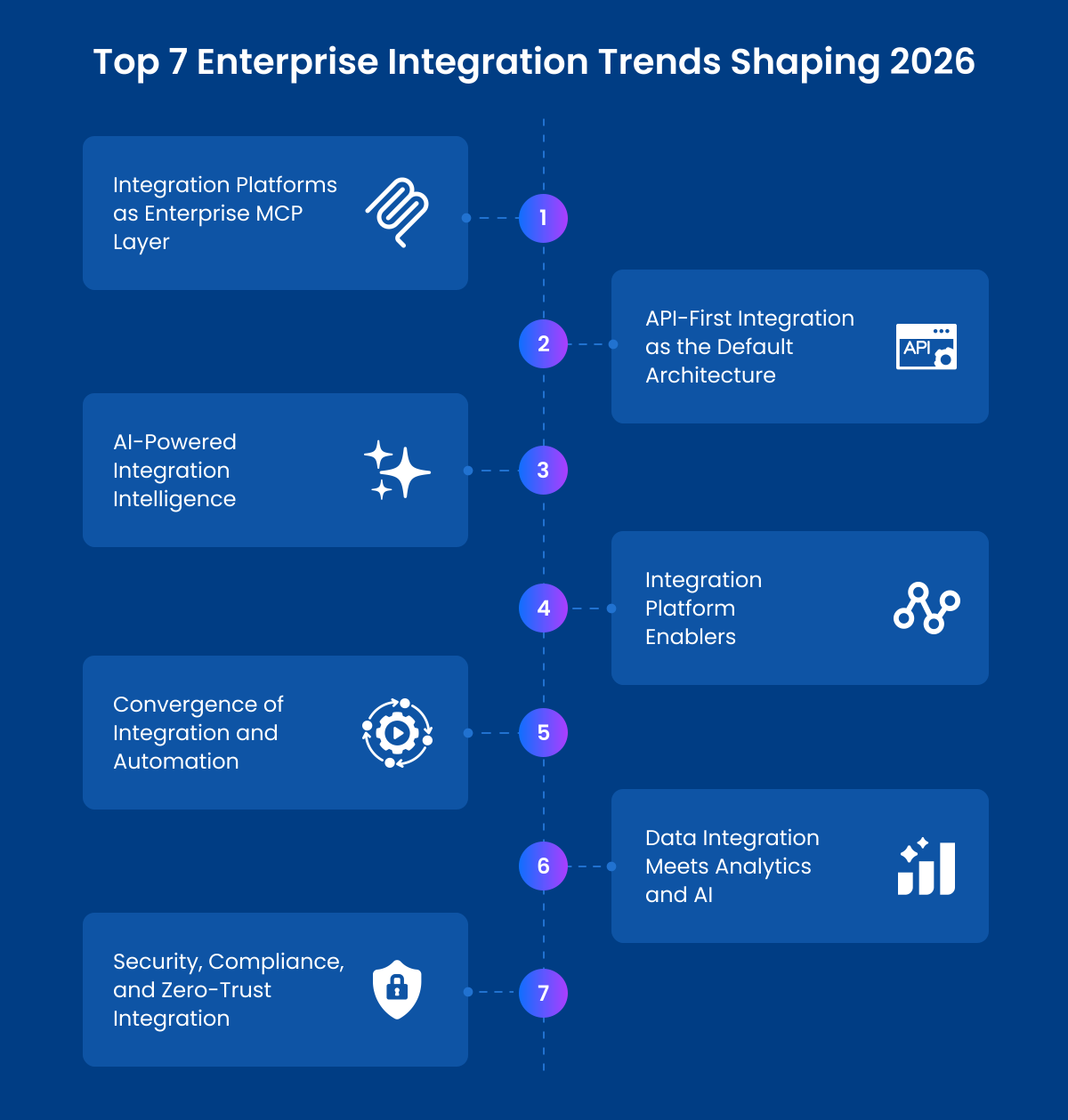
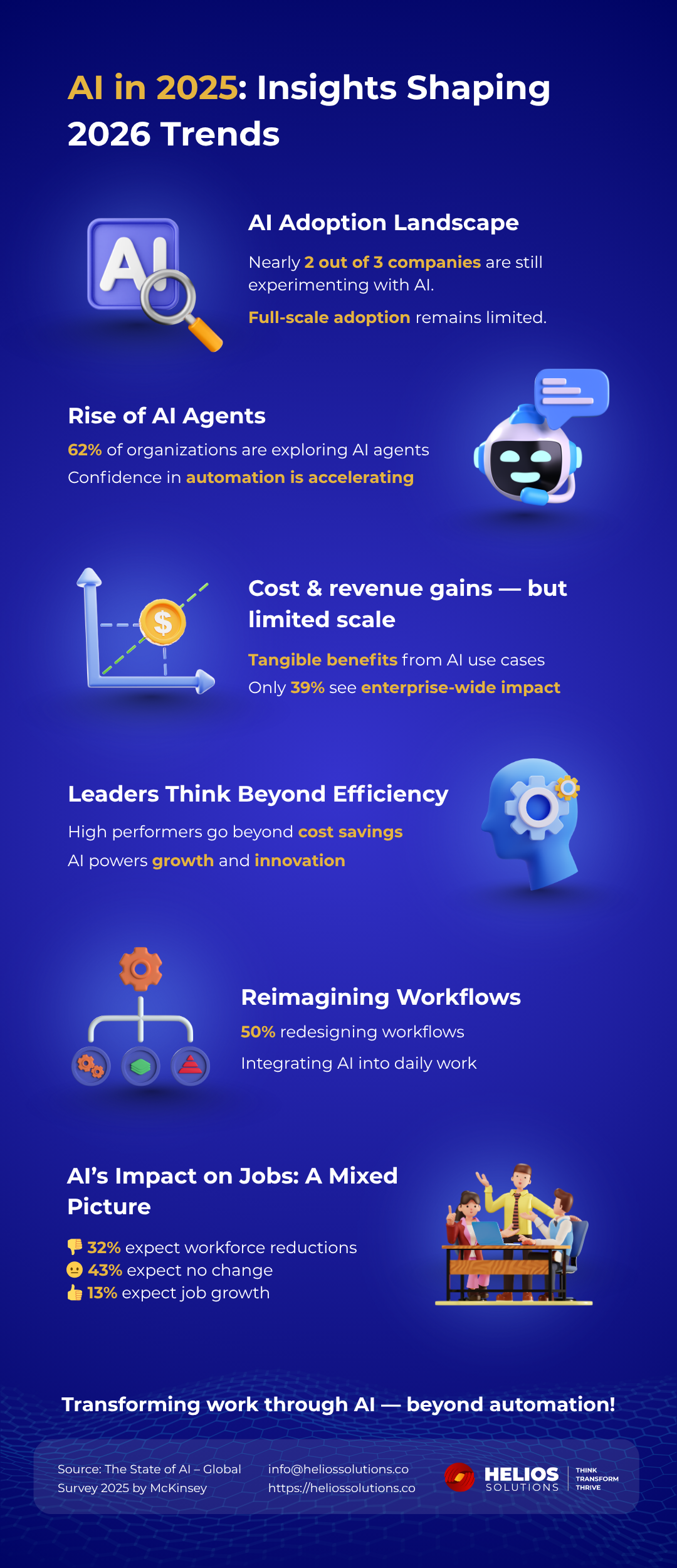
Top Enterprise Trends for 2026
The secret is guaranteeing that these pages offer genuine value and are not merely "entrance pages," which search engines now penalize heavily. By leveraging the SLMs discussed previously, big business can create distinct, contextually appropriate material for these pages that pleases both user intent and search algorithms. is the 2nd pillar.
Future-ready enterprises utilize innovative server-side rendering and edge SEO to deliver pre-rendered pages to bots, guaranteeing that every second of crawl time is invested in revenue-generating content. Implementing a robust internal connecting structure utilizing AI-driven suggestions can assist disperse "link equity" more successfully throughout a massive domain. requires a centralized technique to brand authority.
This sustainability also impacts SEO; online search engine have actually started to aspect in the carbon footprint of digital services, preferring business that demonstrate environmental obligation in their IT operations. Simultaneously, is stepping out of the theoretical realm. While we aren't all using quantum laptops yet, hybrid classical-quantum systems are currently being used for intricate logistics optimization and drug discovery.
Why AI and Cloud Tech Merge in 2026
For big business, quantum-enhanced information analysis will enable for a level of SEO precision formerly believed impossible, such as predicting search pattern shifts weeks before they take place based on worldwide economic indicators. In the realm of trust, and Web3 are maturing. We have actually moved past the buzz of digital collectibles into "trustless" systems for supply chain openness and fractional realty ownership.
These decentralized systems supply a brand-new layer of proven information that can be utilized to boost a company's E-E-A-T, as blockchain-verified credentials end up being a requirement for digital authority. The "token economics" of running huge AI designs can lead to month-to-month costs in the tens of millions if not managed properly.
For SEO, this suggests calculating the ROI of technical improvements not simply in regards to traffic, but in regards to facilities performance and consumer acquisition expense. Cybersecurity has likewise gone into a "machine-vs-machine" stage. With 81% of small companies experiencing a breach in the last yearand AI-powered attacks associated with over 40% of casesdefensive AI is now obligatory.
This sustainability also impacts SEO; online search engine have begun to factor in the carbon footprint of digital services, favoring companies that demonstrate environmental responsibility in their IT operations. Concurrently, is getting out of the theoretical world. While we aren't all using quantum laptop computers yet, hybrid classical-quantum systems are already being used for intricate logistics optimization and drug discovery.
Mapping a Future-Proof AI Strategy
For big companies, quantum-enhanced information analysis will enable a level of SEO precision previously believed impossible, such as anticipating search trend shifts weeks before they occur based upon global financial signs. In the world of trust, and Web3 are growing. We have actually moved past the buzz of digital collectibles into "trustless" systems for supply chain transparency and fractional property ownership.
These decentralized systems offer a brand-new layer of proven data that can be used to strengthen a business's E-E-A-T, as blockchain-verified qualifications become a requirement for digital authority. The "token economics" of running enormous AI models can lead to regular monthly costs in the tens of millions if not managed properly.
For SEO, this indicates calculating the ROI of technical improvements not just in terms of traffic, however in terms of facilities efficiency and consumer acquisition expense. Cybersecurity has actually likewise gotten in a "machine-vs-machine" stage. With 81% of small companies experiencing a breach in the last yearand AI-powered attacks included in over 40% of casesdefensive AI is now mandatory.

Latest Posts

Is Your Enterprise Ready for AI Shift?
Actionable Tips for Successful Corporate Modernization
Transforming Data Infrastructure for the AI Age