All Categories
Featured

Understanding the Synergy of Artificial Intelligence and Cloud Platforms
Table of Contents
Data management, basic IT, or developer abilities Platform as a service is the starting point for many custom-made apps and representatives. Pick it when low-code SaaS advancement can't give you enough modification however you still want Microsoft to run the platform for you.
This work takes more effort than SaaS development however less effort than running facilities yourself. Microsoft handles the platform and you do not keep servers or train the base models.: A managed platform offers you more control than SaaS development, however it requires engineering ability that SaaS development choices don't.
Practical Steps to Achieving Total Digital TransformationSee Representative lifecycle Consuming design tokens, storage, features, calculate, grounding connections Build RAG applications Yes Select designs, managing dataflow, chunking data, improving portions, selecting indexing, comprehending query types (full-text, vector, hybrid), comprehending filters and aspects, performing reranking, prompt engineering, releasing endpoints, and consuming endpoints in apps Compute, variety of tokens in and out, AI services taken in, storage, and data transfer Fine-tune GenAI models Yes Preprocessing information, splitting data into training and validation information, validating designs, setting up other specifications, improving designs, releasing designs, and consuming endpoints in apps Compute, variety of tokens in and out, AI services taken in, storage, and information transfer Train and reasoning models or Yes Preprocessing information, training designs by utilizing code or automation, improving designs, deploying artificial intelligence designs, and consuming endpoints in apps Compute, storage, and information transfer Consume prebuilt AI designs and services Yes Select AI models, protecting endpoints, taking in endpoints in apps, and fine-tuning as needed Usage of model endpoints taken in, storage, information transfer, calculate (if you train custom designs) Isolate AI apps Yes Select AI designs, orchestrating dataflow, chunking information, improving pieces, choosing indexing, comprehending query types (full-text, vector, hybrid), understanding filters and elements, carrying out reranking, prompt engineering, deploying endpoints, and consuming endpoints in apps; optional environment/VNet configuration for network isolation (regional accessibility and feature status might vary) Compute, variety of tokens in and out, AI services consumed, storage, and data transfer See the specific prices pages for items noted under AI + artificial intelligence and the Azure pricing calculator to create expense quotes. It typically takes the longest to construct and requires the most effort to keep in time. Choose this alternative when you need to bring your own designs, utilize customized runtimes, or meet efficiency and compliance needs that handled platforms can't.: Infrastructure provides the most control, but it carries the most functional ownership.
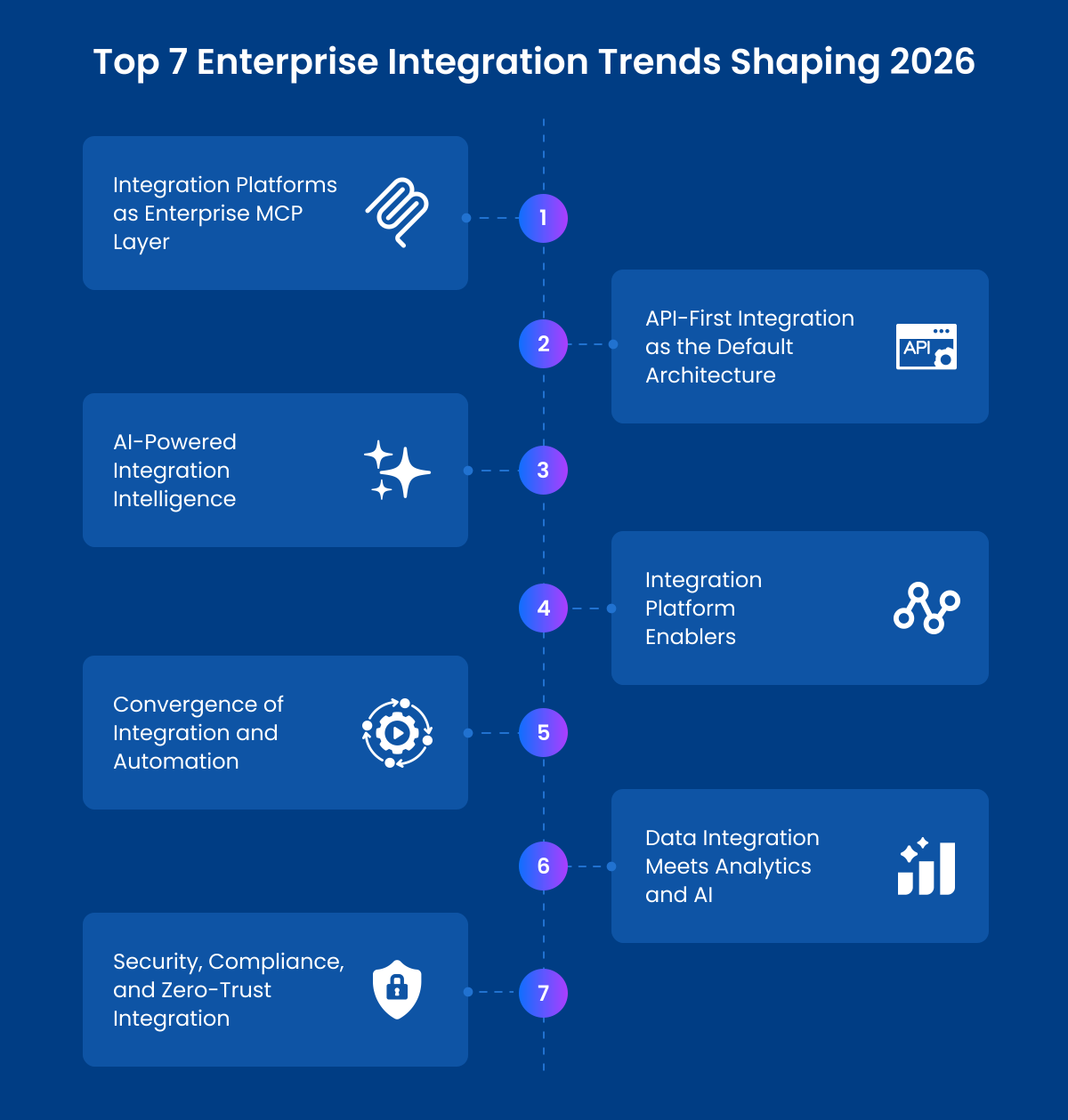
Emerging Technology Trends in Modern Integration
Use the Azure rates calculator for quotes. Whatever design and spending plan you pick in the actions above, accountable usage is a condition of running AI in production at scale. Your company requires to set the requirements that keep AI reasonable and liable for every group. The designs you picked determine where these standards use, however the standards themselves remain constant throughout the organization.
An accountable AI requirement is just as strong as the data behind it, so your data strategy comes next. Your data method determines whether your priority usage cases have governed and top quality information to work with.

Concentrate on governance baselines and lifecycle management rather than per-workload design. See the CAF assistance to produce a Information strategy for AI and analytics. With the strategy set, transfer to planning and preparedness. The AI adoption assistance offers startup and enterprise lists that carry each choice above into production with governance and security developed in.
The Complete AI Adoption Roadmap for Modern Services The majority of business don't stop working at AI since of technology They stop working because they do not understand the series of adopting it. This roadmap shows precisely how mature AI-driven organizations develop, step by action. 1. AI Method Construct the structure: specify the AI vision, evaluate market patterns, and create a strategic instructions.
AI Value Start little with high-value use cases and pilots. AI Company Develop structure for AI success-teams, leadership, and operating designs. Fully grown companies include centers of quality, AI comms practice, and partnerships that accelerate business adoption.
Mastering the Synergy of Artificial Intelligence and Digital Platforms
AI Individuals & Culture Prepare your labor force for the AI period. AI Governance Start with risks, ethics, and basic policies.

Latest Posts

Is Your Enterprise Ready for AI Shift?
Actionable Tips for Successful Corporate Modernization
Transforming Data Infrastructure for the AI Age